Japan and Energy
15 min read

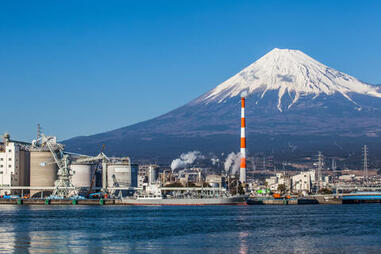
© SHUTTERSTOCK - Japan has turned research and innovation into the main drivers of its growth.
As a major industrial
, Japan has built its development on research and on close cooperation between the public sector, businesses, and citizens. For decades, the country has been exploring and developing new forms of energy. The Fukushima nuclear accident further reinforced the need to find a more balanced
—one that avoids relying too heavily on imported fossil fuels or on
, which remains a source of public concern.
Today, Japan is accelerating its transformation, both in technological fields (
,
, energy storage) and in social organization (decentralized energy management, smart communities).
Explore
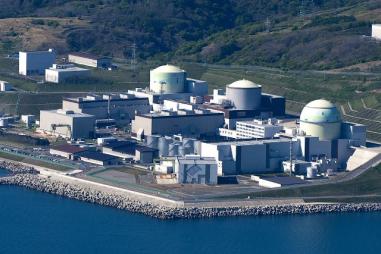
Japan and Its Energy Mix: Dependence, Innovation, and Transition
Japan, a densely populated and highly industrialized country with a limited inhabitable area and virtually no fossil fuels, has been looking into new energy sources and technological innovations for more than 50 years. This proactive approach has enabled it to become one of the world’s leaders in research on renewable energies and hydrogen.
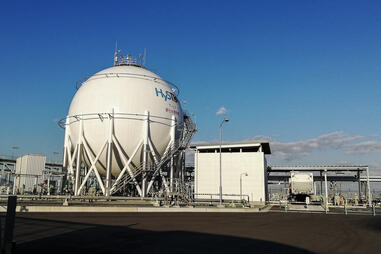
Hydrogen: How is Japan Investing in Research to Become the World Leader?
Japan was the first country to publish a national hydrogen strategy, back in 2017, thereby affirming its pioneering role in building a society where this energy source would play a central role.
 Our most popular content
See all