Sustainable Mobility: Ages 11-14
5 min read

© getty/ kali9
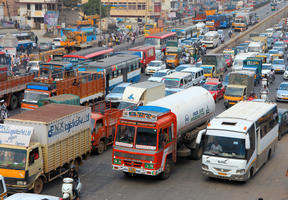
Getting around is part of everyday life, but it requires energy and has an impact on the environment. In middle school, transportation is studied in science, technology, and geography curricula as energy-consuming technical systems and as key elements of land-use planning. Through the lens of sustainable mobility, this resource helps students understand the connection between transportation, energy sources, emissions, and quality of life. It encourages students to reflect on their travel choices and explore solutions for more environmentally friendly mobility. Let’s take a quick look at this resource!
Technology: Transportation as technologies that enable mobility
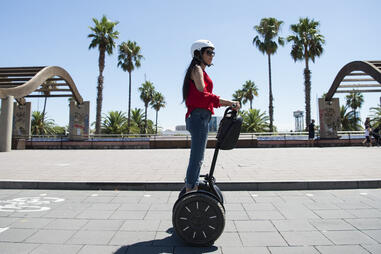
How Do Self-Balancing Personal Transporters Work?
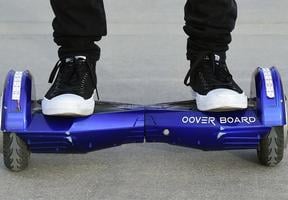
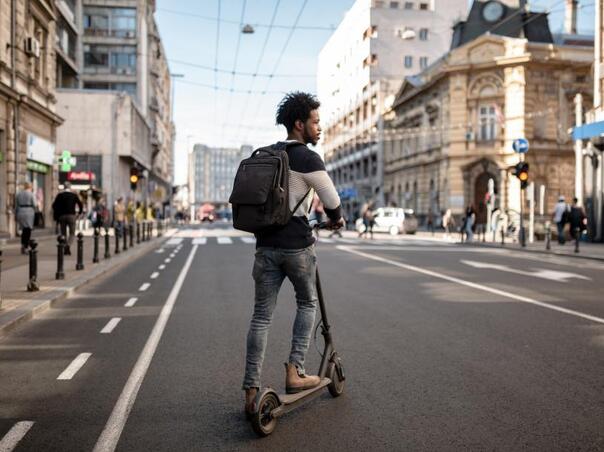
A self-balancing personal transporter is a single-person electric vehicle comprising a one- or two-wheeled platform on which the rider stands. Unlike other vehicles, it uses a self-balancing gyroscopic system for steering, changing directions depending on which way the rider leans. This new and increasingly popular means of urban mobility operates using digital sensors and one or two electric motors.
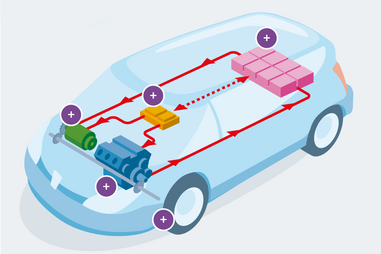
How Hybrid Cars Works
Hybrid vehicles combine an electric motor with an internal combustion engine, which work together based on the commands given by a control unit. The role of each power source varies depending on whether the vehicle is in the start-up, acceleration or braking phase. Here’s a very simple animation that explains which does what and when...
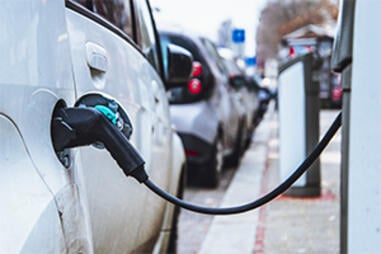
Electric Vehicles: Advantages and Disadvantages
Although overlooked at the beginning of the 20th century, electric vehicles are becoming an increasingly popular alternative to gasoline or diesel engines.
Life & Earth Sciences: Eco-friendly actions, carbon footprint, and mobility solutions

Eco-friendly mobility habits
An educational quiz to find out how you can get around in a more eco-friendly way. Six easy questions about trains, electric bicycles, car sharing and more.
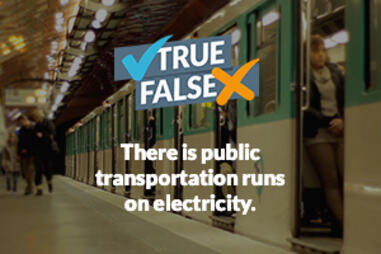

Geography: Energy, mobility, and territory

Factsheet: Energy in the United Kingdom
Find out all about the British energy mix: consumption, power generation and the outlook for the future. Explanatory tables to understand the main principles of energy policy in the United Kingdom and its actions to combat climate change. This factsheet can be used across the board to prepare lessons on the United Kingdom, in subjects such as history, geography, economic and social science, physics and chemistry, engineering science and modern languages.
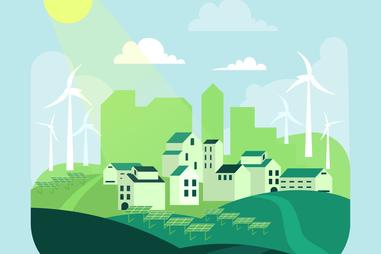
The Cities of the Future and Sustainable Development
The cities of the future will have to adapt to population growth and urbanization, finding solutions that are for the environment and society. These solutions are based on three pillars: renewable energies, housing renovation and alternative forms of transport. Cities such as Copenhagen, Johannesburg and Seattle are examples of sustainable cities.
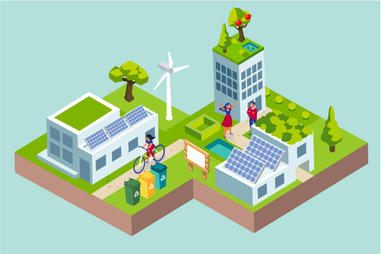
What is an eco-district?
An eco-district is an urban area where everything is organized to manage energy consumption, reduce CO2 emissions and pollution, ensure waste recycling and manage water in the best possible way. It must also offer efficient public transport and promote green mobility such as cycling. A way to make the lifestyle of city dwellers more pleasant and sustainable!
Three Simple Mobility Exercises on Mobility
 This may interest you
See all